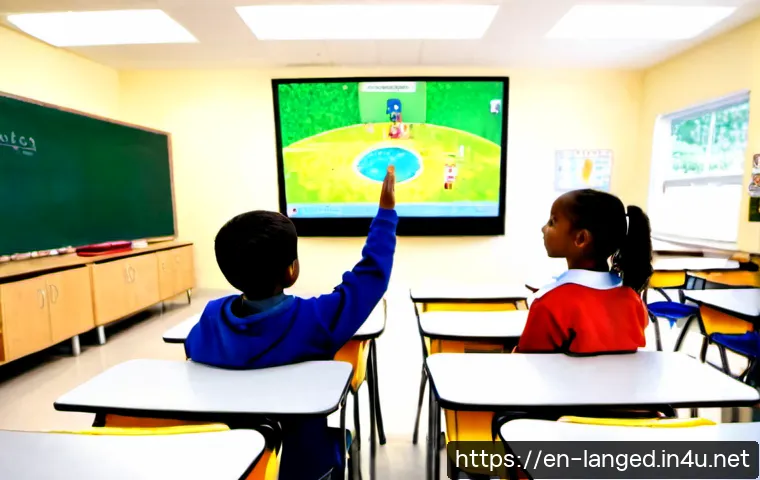
Understanding the theories behind language learning is essential for anyone looking to master a new language effectively. These theories offer insights into how our brains process and acquire languages, shaping the methods we use to teach and learn.

Over the years, various approaches—from behaviorism to constructivism—have evolved, each highlighting different aspects of the learning journey. Grasping these concepts not only helps learners stay motivated but also empowers educators to tailor their teaching strategies.
If you’ve ever wondered why some techniques work better than others, this is the place to find out. Let’s dive deep and explore the fascinating world of language learning theories together!
The Role of Interaction in Language Mastery
How Conversation Shapes Our Skills
When I first tried learning Spanish, the moment I engaged in real conversations, my progress skyrocketed. This isn’t just luck—interaction activates different parts of our brain, forcing us to think on our feet and adapt to unpredictable language use.
Speaking with others provides immediate feedback, exposing gaps in vocabulary and grammar that textbooks alone can’t reveal. It also boosts confidence, which is often overlooked but crucial for fluency.
The more you chat, the more natural the language feels, as your brain starts associating words with real-life context rather than isolated memorization.
The Power of Social Context in Learning
Language doesn’t exist in a vacuum; it’s deeply embedded in culture and social settings. When learners immerse themselves in environments where the language is actively used—like local markets, social clubs, or online communities—they absorb nuances like slang, tone, and gestures.
These social cues enrich understanding beyond grammar rules. From my experience, joining language meetups helped me grasp idiomatic expressions that textbooks rarely cover.
Plus, social learning builds motivation because you feel part of a community, turning practice from a chore into a fun social activity.
Balancing Listening and Speaking for Better Fluency
Many learners focus heavily on listening or reading but neglect speaking, which slows down overall fluency. I found that balancing both by actively listening to podcasts and then practicing speaking aloud—even if just talking to myself—helped solidify retention.
This two-way engagement strengthens neural pathways, making it easier to recall words and form sentences spontaneously. It’s like training a muscle; the more you use it in varied ways, the stronger it gets.
Regular interaction, even low-pressure conversations, bridges the gap between passive recognition and active use.
Unlocking the Brain’s Language Learning Mechanisms
How Memory Works in Language Acquisition
Language learning heavily relies on memory, but not all memory types contribute equally. Short-term memory helps hold new words temporarily, but it’s long-term memory that truly cements them.
Techniques like spaced repetition exploit this by reviewing vocabulary at increasing intervals to prevent forgetting. Personally, using flashcard apps with this method made a huge difference.
Beyond vocabulary, grammar patterns also require repeated exposure. The brain needs multiple encounters before it can internalize structures naturally, which explains why cramming often fails in language learning.
Neuroplasticity and Language Flexibility
One of the most fascinating things I discovered is how neuroplasticity—the brain’s ability to reorganize itself—plays a crucial role in learning languages.
When you practice consistently, your brain forms new connections, adapting to process unfamiliar sounds and grammar. This is why early exposure helps children learn multiple languages effortlessly, but adults can also tap into this by pushing their limits and embracing challenges.
For instance, trying to think in the target language or mentally narrate daily activities encourages your brain to rewire itself toward fluency.
The Role of Motivation and Emotion in Learning
Emotional engagement isn’t just a bonus; it’s a necessity. The brain remembers experiences better when they’re tied to feelings. That’s why I always recommend learners find personal reasons for studying a language—whether it’s traveling, connecting with family, or career growth.
These motivations fuel persistence during tough phases. Moreover, positive emotions like excitement and curiosity enhance dopamine release, which boosts learning efficiency.
On the flip side, stress or frustration can block progress, so creating a supportive, enjoyable learning environment is key.
Adapting Learning Methods to Individual Styles
Visual, Auditory, and Kinesthetic Learners
Not everyone learns the same way, and understanding your preferred style can drastically improve results. Visual learners absorb information better through images, charts, and written notes.
I recall a friend who struggled with spoken drills but excelled when she used color-coded grammar charts. Auditory learners thrive on listening and repeating, benefiting from podcasts, songs, and conversations.
Kinesthetic learners, meanwhile, need physical activity—like writing by hand or role-playing—to anchor new knowledge. Mixing these approaches prevents boredom and addresses different brain pathways.
Tailoring Study Routines for Maximum Impact
I once tried a rigid study plan that failed miserably because it didn’t suit my lifestyle or learning pace. Flexible routines that blend multiple techniques—reading, speaking, writing, listening—work best.
For example, setting mini-goals like “learn five new words today” or “record a 2-minute self-introduction” keeps momentum without overwhelming. Also, incorporating breaks and review sessions ensures steady progress without burnout.
The key is consistent, varied exposure aligned with your preferences and daily schedule.
Technology as a Personalized Learning Partner
Apps and online platforms have revolutionized language learning by adapting to individual progress and preferences. Tools like Duolingo, Memrise, or Babbel provide interactive, bite-sized lessons that adjust difficulty dynamically.
I found that pairing these with real-world practice created a well-rounded approach. Moreover, speech recognition and AI tutors offer instant feedback, simulating conversation partners when none are available.
Technology makes personalized learning accessible anytime, anywhere, turning downtime into productive study moments.
Decoding the Impact of Motivation and Goal Setting
Intrinsic vs. Extrinsic Motivation
Understanding why you want to learn a language influences how you approach it. Intrinsic motivation—learning for personal satisfaction or interest—tends to foster deeper engagement and longer persistence.
Extrinsic motivation, like passing a test or getting a job, can be effective but sometimes fades quickly without internal drive. From my teaching experience, learners who connect emotionally with the language culture or personal goals tend to excel, whereas those fixated on external rewards often burn out.
Setting SMART Goals for Language Progress
Vague goals like “become fluent” often lead to frustration. I’ve seen a big difference when learners set SMART goals: Specific, Measurable, Achievable, Relevant, and Time-bound.
For instance, “Learn 30 new words related to food in two weeks” is clear and motivating. Breaking down language mastery into manageable milestones creates a roadmap, making progress visible and encouraging.
Tracking achievements through journals or apps also boosts morale and helps adjust strategies when needed.
Maintaining Momentum Through Challenges
Language learning isn’t always smooth sailing—plateaus and setbacks are common. What keeps learners going is resilience and the ability to celebrate small wins.
I personally remind myself that mistakes are part of growth, and every stumble means the brain is rewiring. Engaging in diverse activities—like watching movies, cooking recipes, or writing journal entries—keeps the process enjoyable.
Surrounding yourself with supportive peers or mentors also provides encouragement and fresh inspiration when motivation dips.
The Science Behind Effective Language Practice
The Importance of Repetition and Reinforcement
Repetition isn’t just boring drilling; it’s a scientifically proven way to transfer knowledge from short-term to long-term memory. When I learned French, reviewing vocabulary daily, then weekly, and monthly helped words stick permanently.

Reinforcement through different contexts—reading, speaking, writing—deepens understanding and prevents forgetting. However, repetition needs variety to stay effective, so mixing up activities is essential to avoid mental fatigue.
Role of Error Correction and Feedback
Many learners fear making mistakes, but timely correction is vital for improvement. From my tutoring sessions, I noticed that gentle, constructive feedback encourages learners to self-correct without losing confidence.
Immediate correction helps prevent fossilization of errors, while delayed feedback can be useful for reflection. Creating a safe environment where errors are treated as learning opportunities rather than failures fosters experimentation and faster progress.
Utilizing Multisensory Learning for Deeper Retention
Combining multiple senses enhances memory and understanding. For example, pairing new vocabulary with images, sounds, and gestures creates stronger neural links.
I experimented with this by labeling household objects with sticky notes and saying the word aloud whenever I touched them. This multisensory approach taps into different learning channels, making recall easier and more automatic.
It’s especially helpful for abstract concepts or complex grammar.
Comparing Major Language Learning Approaches
Traditional Grammar-Translation vs. Communicative Approaches
The grammar-translation method focuses on memorizing rules and translating texts, which can feel tedious and disconnected from real use. In contrast, communicative approaches prioritize interaction and meaningful communication, making learning more engaging and practical.
From personal experience, switching from grammar-heavy study to conversation-based practice sparked a noticeable improvement in fluency and confidence.
Immersion and Task-Based Learning
Immersion involves surrounding yourself with the language in daily life, often by living in a country where it’s spoken. It accelerates natural acquisition but isn’t always feasible.
Task-based learning offers a practical alternative, where learners complete real-world tasks using the target language—like ordering food or planning trips.
This method promotes functional language use and problem-solving, which I found very motivating and directly applicable.
Technology-Enhanced vs. Traditional Classroom Learning
Online tools and apps offer flexibility and personalized pacing, while traditional classrooms provide structured guidance and social interaction. Blending both can yield the best results.
For example, attending a class for grammar fundamentals and using apps for daily practice creates a balanced routine. Personally, mixing digital resources with face-to-face conversations accelerated my progress and kept learning interesting.
| Approach | Focus | Strengths | Challenges |
|---|---|---|---|
| Grammar-Translation | Rules and written translation | Strong grammar foundation | Limited speaking practice |
| Communicative | Interaction and meaning | Improves fluency and confidence | Less focus on accuracy |
| Immersion | Full language environment | Natural acquisition, cultural insights | Not always accessible |
| Task-Based | Practical tasks in language | Functional skills, motivation | May lack formal grammar focus |
| Technology-Enhanced | Digital tools and apps | Flexible, personalized | Requires self-discipline |
| Traditional Classroom | Structured teaching | Guidance, peer interaction | Less flexible pace |
How Culture Influences Language Learning
Understanding Cultural Nuances and Idioms
Languages are deeply intertwined with culture, and grasping cultural nuances can unlock meanings that words alone can’t convey. For example, idioms often reflect historical or social contexts.
When I learned English idioms like “break the ice” or “kick the bucket,” understanding their cultural origins helped me remember and use them appropriately.
Without this cultural insight, language learning can feel mechanical and incomplete.
Adapting to Different Communication Styles
Different cultures have unique communication styles—some prefer directness, others value politeness or indirect hints. This affects how you interpret and respond in conversations.
I noticed this when talking to colleagues from different countries; miscommunication often arose not from vocabulary gaps but from mismatched expectations about tone and formality.
Being culturally aware helps avoid misunderstandings and builds stronger relationships.
Using Cultural Immersion to Enhance Motivation
Engaging with culture—through food, music, films, or festivals—adds excitement and relevance to learning. I found that exploring Japanese anime and cuisine motivated me to improve my Japanese beyond textbooks.
Cultural experiences provide authentic language input and inspire curiosity, which fuels sustained learning. They also make the language feel alive and connected to real people and traditions.
Building Confidence Through Consistent Practice
Overcoming Fear of Mistakes
Fear of making errors is one of the biggest hurdles in language learning. I’ve faced this myself, hesitating to speak up for fear of sounding silly. But I learned that mistakes are essential stepping stones.
The more you embrace errors as part of the process, the faster you improve. Creating a low-pressure environment—whether with patient friends or language partners—helps build confidence and encourages risk-taking.
Setting Realistic Expectations
Progress isn’t always linear, and expecting perfection too soon can be discouraging. I recommend celebrating small achievements—like ordering a meal or understanding a song lyric—because these moments mark real growth.
Patience and persistence pay off. Remember, every fluent speaker was once a beginner who stumbled many times.
Incorporating Language into Daily Life
Consistency beats intensity. Incorporating language practice into everyday routines—like thinking in the language while commuting or labeling household items—creates continuous exposure.
I found that small daily habits kept my skills sharp and gradually built fluency without overwhelming my schedule. This natural integration turns learning into a lifestyle rather than a chore.
Conclusion
Mastering a language goes beyond memorizing words and rules—it thrives on meaningful interaction, cultural understanding, and consistent practice. Embracing mistakes and setting clear goals help maintain motivation throughout the journey. By adapting learning methods to your personal style and leveraging technology, language acquisition becomes not only effective but also enjoyable. Remember, fluency is a gradual process shaped by patience and active engagement.
Useful Information to Keep in Mind
1. Regular conversation practice accelerates fluency by providing real-time feedback and boosting confidence.
2. Immersing yourself in cultural experiences enriches language learning with context and motivation.
3. Balancing listening and speaking exercises strengthens neural pathways for spontaneous communication.
4. Setting SMART goals helps track progress and keeps learning focused and manageable.
5. Combining technology with traditional methods offers personalized and flexible learning opportunities.
Key Takeaways
Effective language learning relies on interaction and social context to develop practical skills and cultural insight. Motivation—both intrinsic and extrinsic—plays a critical role in sustaining effort, while adapting study routines to individual preferences enhances retention. Embracing errors as learning tools and maintaining consistent practice are essential for building confidence and fluency. Lastly, blending diverse methods, including technology and immersion, creates a balanced and rewarding language journey.
Frequently Asked Questions (FAQ) 📖
Q: Why is it important to understand different language learning theories?
A: Understanding language learning theories is crucial because it helps you recognize why certain methods resonate more with you than others. For example, if you know about behaviorism, you might appreciate repetition and drills, while constructivism encourages active engagement and personal meaning-making.
When you grasp these concepts, you can tailor your study habits to suit your brain’s natural way of acquiring language, which makes learning more efficient and enjoyable.
Personally, when I shifted my approach based on these theories, I noticed a big boost in my motivation and retention.
Q: How do language learning theories influence teaching methods?
A: Language learning theories are the backbone of teaching strategies. Educators use them to design lessons that cater to diverse learning styles. For instance, teachers who follow the communicative approach focus on real-life conversations, inspired by social interaction theories, while others might emphasize grammar drills influenced by more traditional behaviorist ideas.
Knowing these theories helps educators create a balanced environment where learners can practice, understand, and use a language effectively. From my experience, teachers who adapt their methods based on these theories tend to foster more engaging and successful classrooms.
Q: Can understanding these theories help me stay motivated during language learning?
A: Absolutely! When you understand why certain techniques work and others don’t, it’s easier to stay motivated. Language learning isn’t always linear; it comes with ups and downs.
Theories like the affective filter hypothesis explain how emotions impact learning, so being aware of this can encourage you to create a positive mindset and reduce anxiety.
I’ve found that when I understood the psychological side of learning, I was kinder to myself during plateaus and more persistent overall. This awareness transforms frustration into manageable challenges rather than roadblocks.