Language learning has evolved far beyond traditional memorization and drills. Today, project-based learning offers a dynamic approach that immerses students in real-world tasks, encouraging creativity and critical thinking.

This method not only boosts communication skills but also fosters deeper cultural understanding and collaboration. Many educators have noticed increased motivation and retention when learners engage in meaningful projects.
Curious about how this approach transforms language classrooms? Let’s dive into the details and uncover why project-based learning is reshaping language education!
Engaging Learners Through Real-World Language Challenges
Authentic Contexts Spark Genuine Interest
When students work on projects that mimic real-life situations—like planning a trip abroad or creating a local business proposal—they find language learning much more relevant.
This kind of contextual learning helps bridge the gap between textbook phrases and actual communication. I’ve noticed that when learners see the practical use of their language skills, their motivation skyrockets.
Instead of rote repetition, they’re actively applying vocabulary and grammar to solve tangible problems, which makes the process feel less like “studying” and more like an exciting challenge.
Problem-Solving Enhances Critical Thinking
Language projects often require learners to negotiate meaning, clarify misunderstandings, and collaborate with peers. These activities push students to think critically about how to express ideas clearly and persuasively.
For example, during a group project where students design a community event, they must discuss logistics, assign roles, and draft promotional materials in the target language.
I’ve observed that this dynamic environment promotes deeper cognitive engagement, as learners constantly adapt their communication strategies to achieve a shared goal.
Collaboration Builds Confidence and Fluency
Working in teams encourages learners to speak more and take risks without fear of immediate correction. When students know that their contribution matters to the group’s success, they tend to participate actively and develop fluency naturally.
I’ve personally seen shy learners transform into confident speakers when involved in collaborative tasks like role-plays or interviews. These social interactions simulate authentic conversations, helping students internalize language patterns and cultural norms more effectively than isolated drills.
Boosting Cultural Awareness Through Project Exploration
Immersive Projects Connect Language to Culture
Projects that incorporate cultural elements—such as researching festivals, traditions, or cuisine—offer learners a richer understanding of the language’s context.
This holistic approach goes beyond grammar and vocabulary, allowing students to experience the values and customs embedded in communication styles. In my experience, learners who engage with culture tend to appreciate the language more deeply and remember vocabulary better because it’s linked to meaningful content.
Empathy and Perspective-Taking in Language Learning
By exploring diverse cultural viewpoints through projects, students develop empathy and open-mindedness. For example, creating a documentary or blog about immigrant experiences requires learners to listen, interpret, and present stories sensitively.
This process enhances intercultural competence, which is crucial for real-world communication. I’ve noticed that when students connect emotionally with their projects, their language skills improve alongside their cultural sensitivity.
Encouraging Global Citizenship Mindsets
Language projects often encourage learners to think globally by addressing universal themes like environmental issues or social justice. This not only motivates students but also cultivates a sense of responsibility and connection beyond the classroom.
When I included a project about sustainable living practices, students eagerly researched and discussed solutions, practicing language skills while becoming more aware of global challenges.
Integrating Technology to Amplify Language Projects
Digital Tools Foster Interactive Learning
Incorporating apps, online forums, and multimedia presentations into projects creates interactive experiences that traditional methods can’t match. Learners can collaborate in real time, access authentic resources, and receive instant feedback.
From my observations, technology enhances engagement, especially for digital-native students who thrive in multimedia environments. For instance, using language learning platforms to create podcasts or videos made projects more dynamic and allowed for creative expression.
Virtual Exchange Expands Language Practice Opportunities
Connecting with native speakers or learners from other countries through video calls or chat platforms adds a powerful dimension to projects. This live interaction challenges students to adapt to different accents and conversational styles, improving listening and speaking skills.
I recall a project where my students interviewed international peers about cultural traditions; the excitement and authenticity of these exchanges were palpable, and language skills improved noticeably.
Tracking Progress with Digital Portfolios
Digital portfolios allow students to document and reflect on their learning journey throughout project completion. This ongoing record helps learners visualize their growth and identify areas for improvement.
I’ve found that when students curate their work—writing reflections, uploading videos, and sharing feedback—they take more ownership of their learning and stay motivated to continue improving.
Designing Projects That Encourage Continuous Language Growth
Scaffolded Tasks Build Competence Step by Step
Breaking down complex projects into smaller, manageable tasks helps learners build confidence gradually. For example, starting with vocabulary brainstorming, moving to drafting dialogues, and finally presenting the project enables students to develop skills incrementally.
I’ve seen that scaffolding reduces anxiety and creates a clear path to success, especially for beginners who might feel overwhelmed by open-ended assignments.
Incorporating Feedback Loops for Improvement
Regular feedback sessions—whether peer reviews or instructor comments—are crucial in project-based learning. They guide learners to refine their language use and project outcomes.
In my teaching, I encourage constructive feedback circles where students feel safe to share and receive critiques. This iterative process not only improves accuracy but also promotes a growth mindset essential for language mastery.
Encouraging Reflection to Deepen Understanding
Reflection activities after project completion help learners consolidate what they’ve learned and connect it to future goals. Journaling about challenges faced, strategies used, and language gains makes the learning experience more meaningful.
I’ve noticed that reflective practice enhances metacognition, allowing students to become more self-directed and effective language learners over time.
Measuring the Impact of Project-Based Language Learning
Improved Communication Skills Across Modalities
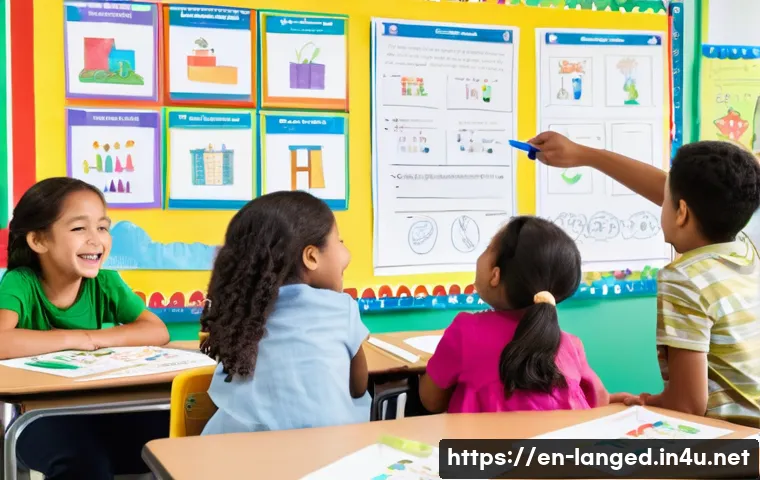
Projects typically require speaking, writing, listening, and reading, offering comprehensive language practice. This holistic engagement often leads to noticeable improvements in fluency and comprehension.
From my experience, students involved in projects become more comfortable switching between different communication modes, a skill essential for real-world language use.
Higher Retention Rates Compared to Traditional Methods
Because project-based learning is active and meaningful, learners tend to retain vocabulary and grammar structures longer. The emotional and cognitive involvement strengthens memory connections.
I’ve observed that students who participate in ongoing projects recall language elements better than those who memorize isolated drills, supporting sustained language acquisition.
Increased Learner Autonomy and Motivation
When students have ownership over their projects, they take initiative and engage more deeply with the language. This autonomy fosters intrinsic motivation, making language learning a personal journey rather than a chore.
I’ve seen learners continue practicing outside class simply because their projects sparked genuine interest and curiosity.
| Aspect | Traditional Learning | Project-Based Learning |
|---|---|---|
| Engagement | Often passive, focused on memorization | Active, hands-on, and meaningful tasks |
| Skill Development | Isolated focus on grammar/vocabulary | Integrated skills: speaking, writing, listening, reading |
| Motivation | Extrinsic, based on tests and drills | Intrinsic, driven by real-world relevance |
| Cultural Awareness | Limited, textbook-based | Deep, through authentic cultural projects |
| Collaboration | Minimal or none | Essential, promotes communication and teamwork |
| Feedback | Teacher-centered, often delayed | Ongoing, includes peer and self-assessment |
| Technology Use | Supplementary, limited | Integral, enhances interactivity and access |
Adapting Project-Based Learning for Different Proficiency Levels
Tailoring Tasks for Beginners
For novice learners, projects should focus on simple, concrete topics with clear instructions. Activities like creating picture stories or labeling items in the target language allow beginners to participate without feeling overwhelmed.
In my experience, providing sentence starters and vocabulary lists helps scaffold their involvement, ensuring early successes build confidence.
Challenging Intermediate Learners
Intermediate students benefit from projects that encourage expressive language and problem-solving, such as debates or cultural presentations. These tasks require more complex grammar and vocabulary, pushing learners to expand their linguistic repertoire.
I’ve found that incorporating peer collaboration at this stage enhances both language skills and social competence.
Empowering Advanced Learners
Advanced learners thrive with open-ended projects involving research, critical analysis, or creative writing. For instance, designing campaigns or conducting interviews in the target language demands high-level skills and autonomy.
From my observations, these learners appreciate the freedom to explore topics deeply and refine their language with nuanced expression.
Teacher’s Role in Facilitating Successful Language Projects
Designing Clear, Purposeful Projects
Effective projects start with well-defined objectives aligned to language goals. Teachers need to balance challenge and accessibility to maintain learner motivation.
I’ve learned that providing authentic materials and real-world scenarios increases the project’s impact and relevance, making the teacher’s preparation crucial for success.
Guiding and Supporting Throughout the Process
Facilitators act as coaches, offering timely support and scaffolding without taking over. Monitoring progress and encouraging risk-taking helps students stay on track and build confidence.
I always emphasize the importance of creating a supportive atmosphere where mistakes are seen as learning opportunities, which fosters a positive learning culture.
Assessing Language and Project Outcomes Fairly
Assessment should reflect both language proficiency and project achievement, using rubrics that value creativity, collaboration, and communication. I recommend combining self-assessment, peer feedback, and teacher evaluation to capture the full scope of student progress.
Transparent criteria and constructive feedback help learners understand their strengths and areas to improve, promoting continuous growth.
Conclusion
Project-based language learning transforms traditional study into an engaging, practical experience that truly resonates with learners. By connecting language skills to real-world challenges, students become more motivated and confident. This approach not only fosters communication but also deepens cultural understanding and critical thinking. Ultimately, it empowers learners to take ownership of their progress and enjoy the journey of mastering a new language.
Useful Information to Remember
1. Real-world contexts make language learning relevant and exciting, increasing student motivation.
2. Collaborative projects encourage communication, risk-taking, and natural language use.
3. Integrating cultural elements enriches understanding and strengthens language retention.
4. Technology enhances interactivity, access to authentic resources, and global connections.
5. Scaffolded tasks and regular feedback support steady progress and learner confidence.
Key Takeaways
Successful project-based language learning requires clear goals, meaningful tasks, and ongoing support. Encouraging collaboration and reflection helps learners develop critical skills and cultural sensitivity. Technology and real-life applications make learning dynamic and relevant, while thoughtful assessment fosters growth and autonomy. Teachers play a vital role as facilitators, guiding students through challenges and celebrating their achievements to build lasting language competence.
Frequently Asked Questions (FAQ) 📖
Q: How does project-based learning improve language skills compared to traditional methods?
A: Project-based learning immerses students in real-world communication, which helps them practice language in context rather than just memorizing vocabulary or grammar rules.
From my experience, working on meaningful projects makes language use more natural and memorable. It encourages learners to think critically and express themselves creatively, which enhances speaking, listening, reading, and writing skills all at once.
Unlike repetitive drills, this approach keeps motivation high because students see the practical value of their efforts.
Q: Can project-based learning be adapted for beginners or only advanced learners?
A: Absolutely, project-based learning can be tailored for any proficiency level. For beginners, projects might focus on simple tasks like creating a daily routine presentation or labeling objects in a room, which builds foundational vocabulary and confidence.
As learners progress, projects become more complex, involving research, collaboration, or storytelling. The key is to match project complexity with the learner’s skill level, ensuring tasks are challenging but achievable, which keeps learners engaged and steadily improving.
Q: What are some examples of effective projects that promote cultural understanding in language classrooms?
A: One great example is having students create travel guides or cultural brochures about countries where the target language is spoken. This encourages them to research traditions, festivals, food, and social norms, fostering a deeper appreciation beyond just language mechanics.
Another effective project is role-playing real-life scenarios like ordering food at a restaurant or attending a job interview, which builds both language skills and cultural awareness.
In my teaching, I’ve seen students become more empathetic and curious about other cultures through these interactive projects, which really enriches their language learning journey.