Media can strengthen language education when it gives learners meaningful input and a reason to respond. Video, audio, images, and digital texts work best when they support a clear language goal instead of filling class time.
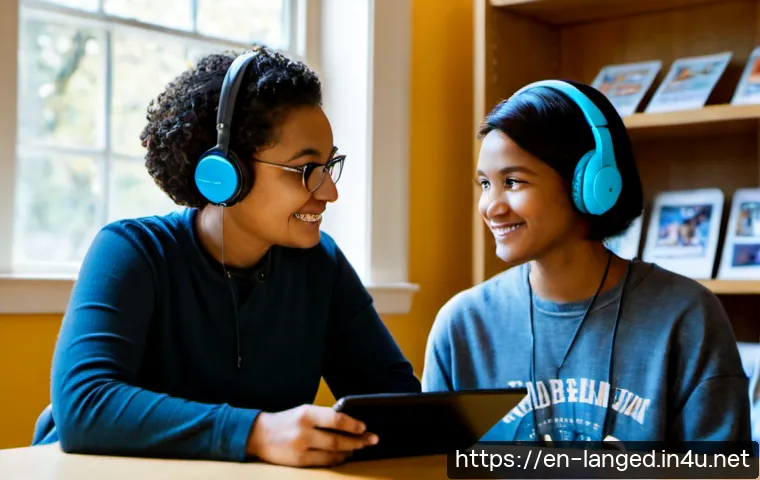
They can bring spoken language, visual clues, and different kinds of reading into the lesson. They may also make cultural context easier to notice and discuss.
The key is to choose suitable material, make access possible, and turn viewing or listening into active practice.
Why Media Supports Language Development
Authentic input and contextual clues
Media can expose learners to spoken language, visual context, and varied text types that are difficult to show through isolated exercises alone. A short clip may show facial expression, setting, objects, and actions alongside speech. Audio can help learners focus on rhythm and wording, while images and digital texts can support description and reading. The material still needs a focused purpose; simply playing it does not guarantee useful practice.
Motivation and cultural awareness
Relevant media can give students something concrete to react to, compare, question, or explain. It may also open discussion about everyday communication and cultural context. Teachers should avoid treating one item as a complete picture of a culture, however. Questions should invite observation and reflection rather than assumptions.
Choosing Media for Learning Goals
Matching video, audio, images, and interactive tools to skills
Start with the language outcome. A video can support listening, sequencing, and discussion. Audio can focus attention on key details or spoken expressions. Images can prompt description, prediction, and vocabulary use. Digital texts can support reading tasks, annotation, or short written responses. Interactive tools may be useful when they give learners a clear chance to understand or produce language, not merely click through content.
Considering learner age, level, and accessibility
Age suitability, language level, topic sensitivity, and available support all matter. Captions, transcripts, playback controls, and alternative formats can improve access for some learners. Whether learners have reliable devices, internet access, captions, or transcripts must be checked locally rather than assumed. The most effective format for a particular group will vary.
| Learning focus | Possible media task | Active response |
|---|---|---|
| Listening | Short audio or video segment | Identify key ideas and compare answers |
| Speaking | Image or clip | Retell, describe, or discuss a viewpoint |
| Reading and writing | Digital text or transcript | Highlight evidence and write a brief response |
Turning Viewing Into Active Practice
Before, during, and after media activities
Before using media, introduce a small number of useful words or ask learners to predict what they may see or hear. During viewing or listening, provide a manageable task, such as noting a detail, ordering events, or identifying a speaker’s purpose. Afterwards, ask learners to use the language through a response. This sequence connects media use to an actual learning goal.
Discussion, retelling, and vocabulary tasks
Follow-up work can include pair discussion, a short retelling, a vocabulary sort, or a written message from one person in the media item to another. Learners can also compare what they understood with a transcript or captions where available. Tasks should require them to notice meaning and communicate it, rather than repeat every word.
Managing Risks and Limitations
Copyright, privacy, and appropriate content

Before sharing a resource, teachers should review copyright permissions, privacy considerations, age suitability, and any platform requirements. These conditions differ by resource and service, so they require confirmation. If students create or upload media, data-handling practices deserve the same careful review.
Avoiding distraction and passive consumption
Long, unstructured viewing can reduce attention and leave little room for language use. Shorter selections, clear instructions, pauses, and a response task can keep the lesson focused. Media should support the teacher’s goal, not replace interaction among learners.
Assessing Learning From Media-Based Lessons
Evidence of listening, speaking, reading, and writing progress
Assessment can focus on what students do with the media. Evidence may include accurate listening notes, a spoken retelling, a discussion contribution, a response based on a transcript, or a short piece of writing. Match the evidence to the intended skill and explain what successful performance looks like before the task begins.
Closing Thoughts
Media is most useful when it is selected for a specific language purpose and followed by meaningful learner output. Accessible options and clear tasks help more students participate. Careful checks around content, privacy, and permissions should happen before the lesson. A simple activity with a strong follow-up often works better than a more elaborate resource used passively.
Useful Information to Keep in Mind
1. Choose media after defining the language goal. 2. Check access to devices, internet, captions, and transcripts. 3. Use pre-viewing, during-viewing, and follow-up tasks. 4. Review suitability, privacy, platform rules, and copyright permissions. 5. Assess the language students produce, not just whether they watched.
Key Points
Media can support listening, reading, speaking, writing, and cultural discussion, but it does not create meaningful practice on its own. Learners need a clear purpose, accessible materials, and an opportunity to respond using language.
Frequently Asked Questions
Q1. How can teachers use media to improve language learning?
A1. Teachers can select media for a specific skill, set a task before learners watch or listen, and require a spoken or written response afterwards. This makes media part of active language practice rather than a passive activity.
Q2. What types of media are most useful in an ESL classroom?
A2. Video, audio, images, digital texts, transcripts, and interactive tools can all be useful. The best choice depends on learners’ age, level, access needs, and the particular language goal.
Q3. How do I prevent students from passively watching videos in language lessons?
A3. Give learners a focused task before viewing, pause for short checks during the clip, and use a follow-up such as discussion, retelling, vocabulary work, or writing. Keep the activity tied to the language students are expected to use.