In today’s fast-paced world, mastering a new language has become more than just a skill—it’s a gateway to endless opportunities. With the rise of digital tools and innovative teaching methods, modern language teachers are reshaping how we learn and connect.

Whether you’re a beginner or looking to polish your fluency, understanding the evolving role of these educators can be a game-changer. Let’s dive into how their transformative approaches make language learning not only effective but truly inspiring.
Stick around—this could be the motivation you’ve been waiting for!
Embracing Technology to Enhance Language Learning
Integrating Digital Tools for Interactive Lessons
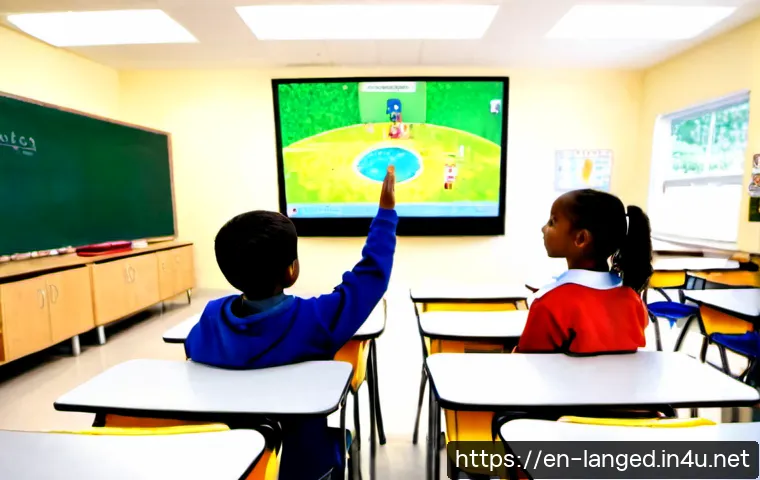
Language instructors nowadays are no longer confined to textbooks and chalkboards. They actively incorporate apps, online platforms, and multimedia content to make lessons more engaging.
From virtual flashcards to AI-powered pronunciation guides, these tools help learners practice anytime, anywhere. I’ve noticed that when teachers use interactive quizzes or language games, students tend to stay motivated and retain information better because the experience feels dynamic and fun rather than tedious.
Leveraging Social Media and Online Communities
Modern language teachers encourage students to connect beyond the classroom by joining language exchange groups or following content creators on platforms like Instagram, TikTok, or YouTube.
This exposes learners to authentic language use, slang, and cultural nuances. In my experience, participating in these communities boosts confidence because learners realize they can communicate with native speakers in casual, everyday settings, not just formal lessons.
Personalizing Learning Paths with Data Analytics
Many educators now use data from learning apps and assessments to tailor their teaching strategies. By identifying individual strengths and weaknesses, teachers can customize assignments and focus on specific problem areas.
I’ve seen how this approach makes a huge difference—students feel their progress is closely monitored and supported, which pushes them to keep improving without feeling overwhelmed.
Creating a Supportive Environment That Boosts Confidence
Encouraging Mistakes as Part of Growth
One of the most refreshing shifts is how teachers promote a safe space where errors are viewed as stepping stones, not failures. This mindset reduces anxiety and helps learners speak more freely.
When I practiced speaking with such encouragement, I found myself less self-conscious and more willing to experiment with new vocabulary or grammar without fear of judgment.
Building Strong Teacher-Student Relationships
Language educators who invest time in understanding their students’ goals, interests, and challenges foster deeper connections. This personalized attention keeps learners engaged and motivated.
I’ve often thought that the best lessons happen when teachers listen actively and adapt their style to fit the learner’s personality, making the whole process feel more like a partnership than a lecture.
Promoting Collaborative Learning
Group projects, peer reviews, and conversation partners are now staples in language classrooms. These collaborative activities not only improve communication skills but also create a community where learners support one another.
From what I’ve observed, sharing the learning journey with others lessens isolation and makes the experience more enjoyable and effective.
Balancing Cultural Insights with Language Skills
Integrating Cultural Context into Lessons
Effective language teaching goes beyond grammar and vocabulary; it includes exploring traditions, idioms, and societal norms of native speakers. Teachers who weave cultural stories and examples into lessons help learners understand why certain expressions exist and how they’re used naturally.
This cultural immersion enriches the learning experience and makes the language feel alive and relevant.
Encouraging Cross-Cultural Communication
Language educators often create scenarios where students practice interacting with people from diverse backgrounds. This not only improves language proficiency but also cultivates empathy and open-mindedness.
From my own experience, engaging with varied perspectives while practicing a new language enhances both linguistic and interpersonal skills in a way textbooks can’t replicate.
Using Authentic Materials for Real-World Exposure
Teachers increasingly use films, podcasts, news articles, and songs to expose students to real-world language use. This authentic content helps learners understand different accents, tones, and expressions.
I remember how watching movies in the target language without subtitles initially felt challenging but eventually boosted my listening skills and cultural appreciation tremendously.
Adapting to Diverse Learning Styles and Needs
Recognizing Individual Learning Preferences
Some learners thrive with visual aids, others with auditory input or hands-on activities. Language teachers who assess these preferences and incorporate varied methods help students absorb material more effectively.
In my own study sessions, I realized that mixing reading, listening, and speaking exercises kept me engaged and prevented burnout.
Supporting Learners with Special Needs
Educators are becoming more aware of how to accommodate learners with dyslexia, ADHD, or other challenges by adjusting pacing, materials, or providing additional resources.
This inclusive approach ensures that everyone has the opportunity to succeed. I’ve admired teachers who go the extra mile to create accessible content, making language learning possible and enjoyable for all.
Implementing Flexible Schedules and Formats

With busy lifestyles, many language teachers offer asynchronous classes, recorded lessons, or hybrid models to fit learners’ schedules. This flexibility removes barriers and allows consistent progress even when life gets hectic.
From personal experience, having the option to revisit recorded lessons has been invaluable for reinforcing difficult concepts at my own pace.
Measuring Progress Beyond Standard Tests
Using Continuous Assessment Techniques
Instead of relying solely on periodic exams, modern language teachers employ ongoing assessments like journals, presentations, and peer feedback. This continuous evaluation provides a more accurate picture of a learner’s abilities and areas needing improvement.
I found that regular, low-pressure assessments helped me focus on steady growth rather than cramming for big tests.
Fostering Self-Assessment and Reflection
Teachers encourage students to track their own progress through self-evaluation tools and reflective journals. This practice increases awareness of strengths and weaknesses and empowers learners to take ownership of their journey.
When I started reflecting regularly on my mistakes and achievements, my motivation soared because I saw tangible evidence of my development.
Celebrating Milestones and Achievements
Recognizing small wins, whether mastering a tricky pronunciation or completing a conversation, boosts morale and keeps learners motivated. Many educators use certificates, shout-outs, or digital badges to celebrate progress.
Personally, receiving positive reinforcement after milestones gave me the confidence to tackle more challenging language goals.
| Teaching Method | Benefits | Example Tools |
|---|---|---|
| Digital Integration | Enhances engagement and accessibility | Duolingo, Quizlet, AI pronunciation apps |
| Collaborative Learning | Builds communication skills and community | Group chats, language exchange meetups |
| Cultural Immersion | Deepens understanding and relevance | Movies, podcasts, cultural stories |
| Personalized Learning | Addresses individual needs and pace | Adaptive learning platforms, custom assignments |
| Flexible Formats | Accommodates busy schedules | Recorded lessons, hybrid classes |
Encouraging Lifelong Curiosity and Passion
Inspiring Learners to Explore Beyond the Classroom
Great language teachers ignite a genuine passion for the language itself, encouraging learners to explore books, films, music, and travel related to the culture.
This ongoing curiosity turns language learning into a lifelong adventure rather than a short-term goal. I remember how my teacher’s enthusiasm rubbed off on me, leading me to discover new favorite authors and artists in the target language.
Promoting Real-Life Application
Teachers who design lessons around practical scenarios—ordering food, job interviews, casual chats—prepare learners for authentic communication. This relevance motivates learners to use the language outside class, making it a living skill.
From personal experience, practicing language in real situations accelerated my fluency more than any textbook exercise.
Supporting Continuous Improvement and Growth
Even after formal classes end, many educators maintain contact, offer advanced workshops, or provide resources to keep learners progressing. This ongoing support fosters a growth mindset and prevents stagnation.
I’ve appreciated when teachers checked in or shared new content, reminding me that language learning is an evolving journey worth pursuing endlessly.
In Conclusion
Embracing technology and innovative teaching methods has transformed language learning into a more dynamic and personalized experience. By fostering supportive environments and integrating cultural insights, learners become more confident and engaged. The continuous encouragement of curiosity ensures that language acquisition remains a lifelong, rewarding journey.
Useful Information to Keep in Mind
1. Utilizing digital tools like apps and multimedia can make language practice more accessible and enjoyable anytime, anywhere.
2. Engaging with social media and online communities exposes learners to real-life language use and cultural nuances.
3. Personalized learning paths guided by data help target individual strengths and weaknesses effectively.
4. Flexible class formats accommodate busy schedules, allowing learners to progress at their own pace.
5. Celebrating milestones and encouraging self-reflection boosts motivation and fosters steady improvement.
Key Takeaways
Successful language learning today relies on a blend of technology, cultural immersion, and personalized support. Creating a safe, collaborative environment encourages learners to embrace mistakes and build confidence. Adapting to different learning styles and providing continuous, meaningful assessments help maintain engagement and promote real-world communication skills. Ultimately, nurturing curiosity and practical application keeps the language journey vibrant and ongoing.
Frequently Asked Questions (FAQ) 📖
Q: How are modern language teachers different from traditional ones?
A: Modern language teachers often incorporate digital tools like apps, interactive platforms, and virtual reality to create immersive learning experiences.
Unlike traditional methods that focused heavily on grammar and memorization, today’s educators emphasize communication, cultural context, and personalized feedback.
From my experience, this shift makes lessons more engaging and practical, helping learners stay motivated and use the language confidently in real-life situations.
Q: What role do technology and innovation play in language learning today?
A: Technology has revolutionized language learning by providing instant access to native speakers, adaptive learning programs, and real-time pronunciation feedback.
For example, I’ve tried language apps that adjust difficulty based on my progress, making practice sessions feel tailored and less frustrating. These innovations break down barriers like location and time, allowing learners to practice anytime, anywhere, which really speeds up fluency.
Q: Can modern teaching methods help beginners as much as advanced learners?
A: Absolutely! Modern methods are designed to support all levels by focusing on interactive, step-by-step progression. Beginners benefit from multimedia content and conversational practice that build confidence early on, while advanced learners can dive into nuanced cultural discussions and advanced grammar through immersive tech.
From what I’ve seen, this approach keeps learners of any stage actively involved and continuously challenged, preventing burnout and boredom.