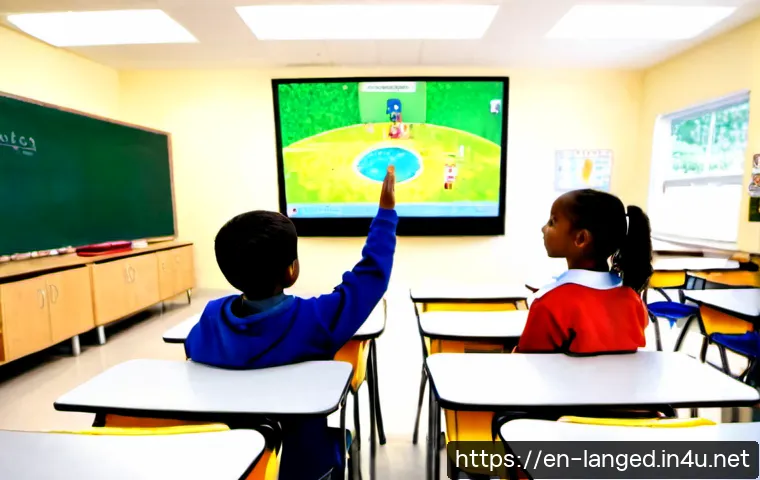
In today’s fast-paced world, mastering a new language is more important than ever, yet traditional methods often fall short. With the rise of digital learning tools and personalized content, innovative resource development is transforming how we approach language acquisition.

If you’ve ever felt stuck or overwhelmed by language learning, you’re not alone. I’ve explored some groundbreaking strategies that not only boost engagement but also make the process more intuitive and enjoyable.
Stick around as we dive into ways to unlock your language learning potential like never before.
Embracing Interactive and Immersive Learning Experiences
Leveraging Gamification for Motivation
One thing I’ve noticed when trying to learn a new language is how quickly motivation can dip. That’s where gamification really shines. Instead of slogging through endless vocabulary lists, incorporating game-like elements — such as points, levels, and challenges — turns learning into a fun, competitive experience.
For example, apps like Duolingo have mastered this by rewarding small wins, which keeps learners coming back daily. Personally, I found that reaching “streaks” kept me accountable and made me feel like I was progressing, even on busy days.
The key is that gamification transforms language practice from a chore into an engaging activity, making it easier to stick with over the long haul.
Virtual Reality and Augmented Reality for Real-Life Context
Using VR and AR in language learning isn’t just a futuristic idea anymore; it’s becoming accessible and practical. Imagine practicing your French in a virtual café in Paris or ordering sushi in a simulated Tokyo restaurant.
These immersive experiences place learners in real-world scenarios without leaving home, helping to bridge the gap between textbook knowledge and actual conversational skills.
When I tried an AR app that overlays translations and interactive dialogues in my environment, it made vocabulary stick better because I was associating words with physical objects and situations.
This kind of contextual learning accelerates fluency and builds confidence.
Social Learning Platforms and Community Engagement
Language is, after all, about communication, so learning in isolation can feel disconnected. That’s why social platforms designed for language learners are game changers.
These spaces allow you to practice with native speakers and fellow learners, share tips, and get immediate feedback. For instance, platforms like Tandem or HelloTalk connect you with real people worldwide.
From my experience, chatting with native speakers helped me pick up slang and cultural nuances that textbooks rarely cover. Plus, the sense of community provides encouragement when progress feels slow, which is invaluable for staying motivated.
Personalizing Content to Fit Individual Learning Styles
Adaptive Learning Algorithms
What I really appreciate about newer language tools is their ability to adapt to your learning pace and style. Instead of a one-size-fits-all curriculum, adaptive algorithms analyze your strengths and weaknesses, then customize lessons accordingly.
When I used an app with this feature, it noticed which grammar points I struggled with and provided extra practice, skipping topics I already mastered.
This tailored approach saves time and makes learning more efficient because you’re focusing your energy where it matters most.
Incorporating Multimedia Resources
Different people absorb information in different ways, so incorporating videos, podcasts, songs, and even comics can make a huge difference. I personally found that listening to podcasts during my commute helped me get used to the rhythm and intonation of the language without feeling like studying.
Watching movies or YouTube channels with subtitles turned out to be both entertaining and educational. Using a variety of media keeps things fresh and taps into multiple senses, which enhances retention and keeps boredom at bay.
Flexible Scheduling and Microlearning
Life is hectic, and finding large blocks of time for study isn’t always realistic. That’s why microlearning — short, focused sessions — has become so popular.
I started breaking down my study time into 10-15 minute bursts, which felt manageable and less overwhelming. Many apps now offer lessons designed for these small time frames, allowing you to fit learning into coffee breaks or waiting in line.
This flexibility means you can maintain consistent practice even on busy days, and consistency is key in language acquisition.
Harnessing AI and Voice Technology for Pronunciation and Feedback
Real-Time Pronunciation Analysis
One of the trickiest parts of learning a language is getting your pronunciation right, and that’s where AI-powered tools really come in handy. I tried a few apps that use speech recognition to provide instant feedback on my accent and intonation, which was a game changer.
Instead of waiting for a teacher to correct me, I could practice speaking and get tips on how to adjust my mouth or tone. This immediate, personalized feedback helped me feel more confident speaking aloud and improved my clarity in conversations.
Conversational AI for Practice Anytime
Practicing speaking with a partner isn’t always possible, especially when you’re learning a less commonly spoken language. Conversational AI chatbots fill this gap by simulating real dialogues at any time of day.
I found it incredibly useful to “chat” with these bots when I had free moments, as they can prompt me with questions, correct mistakes, and even introduce new vocabulary naturally.
It’s like having a patient language buddy who’s available 24/7, which makes practicing less intimidating and more accessible.
Integrating AI with Traditional Teaching
While AI tools are powerful, combining them with traditional instruction creates the best results. I’ve seen language courses that blend human interaction with AI-driven homework and pronunciation drills, offering a balanced approach.
Teachers can focus on cultural context and personalized guidance, while AI handles repetitive practice and instant corrections. This synergy maximizes learning efficiency and ensures you’re not just memorizing but truly understanding and applying the language.
Creating Culturally Rich and Contextual Learning Materials
Embedding Cultural Insights to Deepen Understanding
Learning vocabulary and grammar is important, but without cultural context, the language can feel hollow. When I started exploring materials that included cultural stories, idioms, and customs, it transformed my learning experience.
For example, understanding why certain phrases are used in specific social settings or learning about holidays and traditions helped me connect emotionally with the language.
This deeper connection makes the language come alive and encourages more meaningful conversations.
Using Authentic Content from Native Sources
Textbooks often use contrived examples, but authentic materials like newspapers, blogs, or TV shows offer real-life language usage. Incorporating these into study routines exposes learners to current slang, trends, and expressions.
I remember reading local news articles and watching vlogs to get a feel for everyday speech and cultural references. Authentic content also helps with understanding different dialects and accents, making you better prepared for actual conversations.

Storytelling as a Learning Tool
Stories have a unique power to engage and help memory. Using narratives — whether personal anecdotes, folk tales, or fictional stories — makes vocabulary and grammar stick more naturally.
I’ve used story-based apps and courses that weave language lessons into compelling plots, which kept me hooked and eager to learn more. Storytelling also provides context for language structures, showing how phrases and sentences fit together in real communication.
Balancing Technology with Human Interaction for Optimal Learning
Benefits of Live Tutoring and Language Exchanges
No matter how advanced technology gets, human interaction remains irreplaceable in language learning. Live tutoring sessions provide personalized feedback, answer nuanced questions, and offer encouragement.
I’ve had sessions where my tutor corrected subtle mistakes I didn’t even realize I was making, which apps can’t always catch. Language exchanges with native speakers also expose you to spontaneous conversation and cultural subtleties, making learning dynamic and authentic.
Blending Online and Offline Practice
While digital tools offer convenience, offline practice like journaling, flashcards, or group meetups adds depth. Writing by hand helps reinforce memory, and face-to-face conversations build confidence and social skills.
I found joining local language meetups gave me opportunities to practice in low-pressure environments and meet fellow learners. This blend of online and offline methods creates a well-rounded approach that addresses different aspects of language acquisition.
Maintaining Consistency Through Accountability
One challenge I faced was staying consistent, especially when studying alone. Joining language communities or finding study partners creates accountability.
Setting shared goals, participating in challenges, or simply checking in with peers keeps motivation high. Platforms with social features encourage learners to maintain streaks or complete group tasks, which adds a layer of commitment beyond individual effort.
| Learning Strategy | Key Features | Benefits | Example Tools |
|---|---|---|---|
| Gamification | Points, levels, challenges | Boosts motivation, creates fun experience | Duolingo, Memrise |
| Immersive Tech | VR/AR scenarios | Enhances real-life contextual learning | Mondly VR, Google AR Translate |
| Adaptive Learning | Personalized lesson plans | Focuses on weak areas, saves time | Lingvist, Babbel |
| AI Pronunciation Feedback | Speech recognition, instant correction | Improves speaking confidence and accuracy | Elsa Speak, Speechling |
| Social Platforms | Native speaker chats, communities | Provides cultural insights, real conversations | Tandem, HelloTalk |
| Multimedia Content | Videos, podcasts, songs | Engages multiple senses, aids retention | Yabla, Coffee Break Languages |
Tracking Progress with Data-Driven Insights
Using Analytics to Identify Strengths and Weaknesses
Modern language apps often come with dashboards that track your progress in real-time. I found this incredibly useful because it highlighted exactly where I was making mistakes, whether in grammar, vocabulary, or listening comprehension.
Seeing visual progress graphs motivated me to keep pushing, and knowing my weak points helped me tailor my study sessions more effectively. Data-driven insights take the guesswork out of learning and empower you to make smarter decisions about how to improve.
Setting SMART Goals for Measurable Growth
Goal setting is essential, but vague goals like “get better at French” rarely lead to real progress. I started setting SMART (Specific, Measurable, Achievable, Relevant, Time-bound) goals, such as “Learn 20 new verbs by the end of the week” or “Have a 5-minute conversation with a native speaker.” This structure gave me clear targets and deadlines, making it easier to track progress and celebrate milestones.
Achieving these small wins kept me motivated and built momentum for bigger language goals.
Incorporating Self-Assessment and Reflection
Regularly reflecting on your learning journey helps cement knowledge and identify areas for improvement. I kept a language journal where I wrote about new words, cultural insights, and challenges I faced.
This practice not only reinforced learning but also helped me recognize patterns, like times when I was most productive or methods that worked best. Self-assessment turns passive learners into active participants, deepening engagement and fostering a growth mindset.
Fostering Lifelong Learning Habits Beyond the Classroom
Building a Language-Rich Environment
Creating an environment where the target language is part of daily life accelerates learning. For example, I switched my phone and social media settings to the language I was learning, labeled household items with sticky notes, and followed native speakers on social media.
These small changes kept me immersed and constantly exposed to the language, even during downtime. This habit made learning feel natural and continuous, rather than something you only do during study sessions.
Exploring Diverse Content for Continued Interest
Staying curious and exploring varied content helps maintain enthusiasm. Whether it’s cooking recipes, travel blogs, or music lyrics, engaging with topics you love in the target language makes practice enjoyable.
I found that following my interests in the language kept me coming back, and it expanded my vocabulary in practical, meaningful ways. The key is to make language learning a part of your hobbies and passions.
Adapting to Your Evolving Needs
Language learning is a lifelong journey, and your goals and methods will evolve. I shifted from beginner apps to advanced literature and news sources as my skills improved.
Being flexible and adjusting your approach to match your current level and interests keeps the process fresh and challenging. Recognizing that language acquisition is dynamic helps you stay patient and motivated over the long term.
In Conclusion
Embracing interactive and personalized learning methods transforms language study into an enjoyable and effective journey. By integrating technology with human connection and cultural context, learners can stay motivated and make meaningful progress. Remember, consistent practice and adapting strategies to your needs are key to mastering any language.
Helpful Tips to Remember
1. Break your study sessions into manageable chunks to maintain focus and avoid burnout.
2. Use a mix of multimedia resources to engage different senses and keep learning exciting.
3. Set clear, achievable goals to track your progress and celebrate small victories.
4. Immerse yourself in the language daily by changing device settings or following native content.
5. Combine AI tools with real conversations to balance instant feedback and cultural understanding.
Key Takeaways
Language learning thrives when it combines technology, personalization, and social interaction. Gamification and immersive tech boost motivation and contextual understanding, while adaptive algorithms tailor the experience to individual needs. AI-driven pronunciation tools enhance speaking confidence, but nothing replaces the value of human feedback and cultural exchange. Consistency, reflection, and creating a language-rich environment are essential habits for long-term success.
Frequently Asked Questions (FAQ) 📖
Q: uestionsQ1: How can digital learning tools make language acquisition more effective compared to traditional methods?
A: Digital learning tools offer interactive and personalized experiences that traditional methods often lack. For example, apps use AI to tailor lessons based on your progress, making learning more engaging and less overwhelming.
From my own experience, these tools helped me stay motivated by breaking lessons into manageable chunks and providing instant feedback, which accelerated my improvement significantly.
Q: What are some innovative strategies to stay motivated during language learning?
A: One effective strategy is to integrate language learning into daily activities you already enjoy, like watching movies or listening to music in the target language.
Another is setting small, achievable goals rather than overwhelming yourself with big milestones. I found that combining gamified apps with real-life conversations helped me stay excited about progress, turning learning from a chore into a fun challenge.
Q: Is personalized content really necessary for effective language learning?
A: Absolutely. Personalized content addresses your unique strengths and weaknesses, making the learning process more intuitive. When I switched to a platform that adapted to my learning pace and focused on areas I struggled with, I noticed a marked improvement in retention and confidence.
This tailored approach minimizes frustration and keeps you engaged by focusing on what matters most for your progress.