In today’s fast-paced educational landscape, keeping students engaged during language lessons has become more challenging than ever. With digital distractions and diverse learning styles, effective classroom management is crucial for fostering an environment where language acquisition can truly thrive.
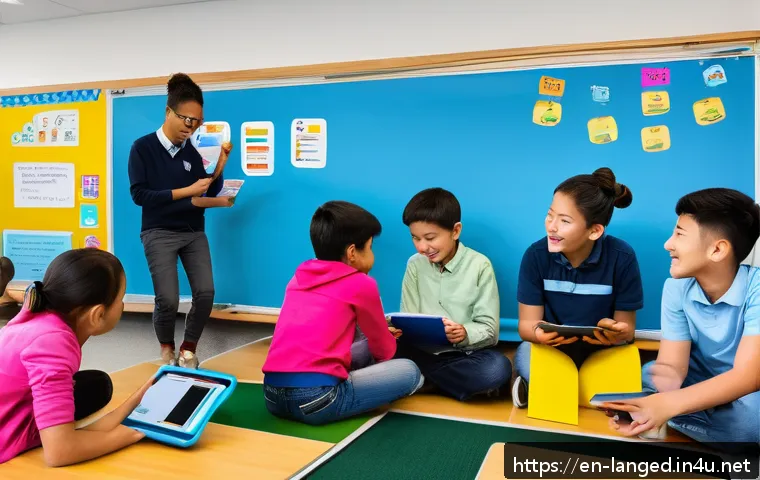
I’ve noticed firsthand how mastering these techniques not only boosts participation but also creates a positive, dynamic atmosphere that encourages learners to take risks and grow confidently.
If you’re ready to transform your language classroom into a vibrant space of interaction and progress, exploring proven management strategies is the key.
Let’s dive into how you can captivate your students and make every lesson count.
Creating a Welcoming Atmosphere for Language Learners
Setting Clear Expectations from Day One
Establishing classroom norms at the very beginning of the course sets the tone for everything that follows. I’ve found that when students understand what behavior is expected—whether it’s raising hands, using target language only, or respecting peers’ ideas—they feel safer and more focused.
This clarity reduces disruptions because everyone knows the boundaries. For example, I used to start each semester with a collaborative session where students help create the rules, which makes them feel ownership and commitment.
It’s amazing how much smoother lessons run when students buy into the culture of respect and curiosity.
Designing a Space That Invites Interaction
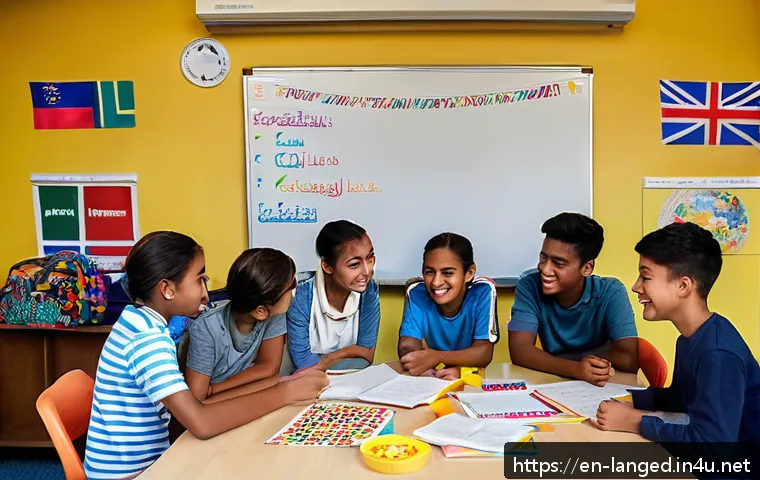
The physical setup of the classroom can either encourage or discourage participation. From my experience, arranging desks in a circle or small clusters promotes eye contact and lively discussion, unlike traditional rows that isolate learners.
Adding visual aids like posters with useful phrases or vocabulary also sparks spontaneous language use. I even include a “language corner” stocked with props and flashcards where students can practice in pairs during breaks.
When the environment feels vibrant and supportive, students are more willing to take risks and make mistakes, which is essential for language growth.
Using Positive Reinforcement to Encourage Engagement
I’ve noticed that acknowledging effort, no matter how small, fuels motivation more than strict penalties. Simple praise, stickers, or points for participation can transform a quiet class into an enthusiastic one.
For instance, during group activities, I highlight teamwork and creative use of language rather than just correctness. This approach builds confidence, and students start volunteering answers more often.
It’s a subtle shift but incredibly powerful in making learning enjoyable and interactive.
Adapting to Diverse Learning Styles in Language Classes
Recognizing Visual, Auditory, and Kinesthetic Preferences
Every class is a blend of learners with different preferences, and tailoring lessons to these styles can make a huge difference. Personally, I combine videos, songs, and role-play activities so that everyone finds a way to connect with the material.
For example, a vocabulary lesson might include a catchy tune for auditory learners, flashcards for visual learners, and physical games for kinesthetic learners.
This variety keeps energy high and prevents boredom, especially when students get to choose how they want to engage.
Incorporating Technology to Personalize Learning
The digital tools available today are a game-changer for differentiated instruction. I’ve used apps that let students practice pronunciation with instant feedback or interactive quizzes that adapt to their skill level.
When students feel lessons are tailored to their pace and interests, they’re more invested. Plus, technology can provide immediate rewards like badges or progress charts, which many learners find motivating.
Balancing tech use with traditional methods ensures no one feels overwhelmed or left behind.
Encouraging Peer Support and Collaborative Learning
Pairing and grouping students strategically creates natural opportunities for peer teaching, which benefits everyone. I often assign mixed-ability pairs so that stronger speakers can model language use and quieter students gain confidence through support.
Group projects centered on real-life scenarios encourage negotiation and problem-solving in the target language. This social aspect not only reinforces language skills but also builds a sense of community, making the classroom a place where everyone feels valued.
Strategies to Manage Digital Distractions Effectively
Establishing Tech Use Guidelines Together
Rather than imposing strict bans, I’ve found it more effective to co-create rules about when and how devices should be used. This approach respects students’ autonomy and reduces resistance.
For instance, we agree that phones are for class-related activities only and must be put away during discussions. When students help define these boundaries, they are more likely to follow them.
It also opens dialogue about self-control and focus, skills that extend beyond the classroom.
Integrating Devices as Learning Tools
Instead of viewing technology as a distraction, I try to channel it productively. Using apps for vocabulary drills or online dictionaries during lessons can turn phones and tablets into allies.
I encourage students to look up new words or record themselves speaking for self-assessment. This way, devices become integral to learning rather than a source of off-task behavior.
From my experience, when students see tech as part of the lesson, they’re less tempted to drift away.
Creating Tech-Free Zones and Times
Balancing tech use with unplugged moments is crucial. I designate certain activities—like storytelling, debates, or group discussions—as tech-free to foster direct interaction.
These breaks help students recharge and practice face-to-face communication skills. I’ve noticed that switching between digital and analog methods keeps the class dynamic and prevents fatigue.
It also helps maintain a respectful atmosphere where everyone’s attention is valued.
Building Consistent Routines to Enhance Focus
Starting Classes with Engaging Warm-Ups
Beginning each lesson with a quick, interactive activity immediately grabs attention and sets a positive mood. This could be a fun quiz, a brief conversation prompt, or a vocabulary game.
I’ve seen that students settle faster and participate more actively when they jump in right away. Warm-ups also serve as informal assessments, giving me clues about what to emphasize during the lesson.
Using Time Management Techniques
Breaking lessons into clearly timed segments helps maintain energy and focus. For example, I divide a 50-minute class into 15-minute chunks for input, practice, and review.
Announcing these segments keeps students aware of the pace and reduces anxiety. I also build in short breaks or brain teasers to refresh attention. This structure prevents the lesson from dragging and keeps learners engaged throughout.
Ending with Reflection and Goal Setting
Wrapping up with a moment to reflect on what was learned and set goals for the next session reinforces progress and responsibility. I ask students to share something new they tried or found challenging, which promotes self-awareness.
Sometimes we jot down goals on a shared board, creating a visual reminder of growth. This habit encourages a growth mindset and makes language learning feel like a personal journey, not just a classroom task.
Encouraging Risk-Taking and Mistake-Friendly Culture
Normalizing Errors as Part of Learning
I always remind students that mistakes are not failures but opportunities to improve. Sharing my own language learning blunders helps break down fear of judgment.
When students see that errors are expected and even celebrated, they become bolder in speaking up. This shift dramatically increases participation and allows for more authentic communication.
Implementing Low-Stakes Practice Activities
Activities like pair work, role plays, or games create safe spaces for experimentation. I design these so that the focus is on communication, not perfection.
For example, a role play might involve ordering food at a restaurant, where fluency matters more than grammar accuracy. This relaxed environment encourages learners to try new phrases without the pressure of being “right” all the time.
Providing Constructive and Supportive Feedback
Feedback should guide rather than discourage. I make a point of highlighting what was done well before gently correcting errors. Sometimes I use the “sandwich” method—positive comment, correction, positive comment—which helps maintain confidence.
Also, inviting peer feedback fosters a collaborative atmosphere where everyone learns from each other. This balanced approach keeps motivation high and reduces anxiety around speaking.
Utilizing Assessment to Guide Classroom Dynamics
Formative Assessments to Monitor Progress
Regular low-pressure checks help me adjust lessons to meet student needs. Quizzes, quick polls, or oral summaries reveal understanding and areas needing reinforcement.
I use these results to tweak activities or revisit tricky concepts. Students appreciate this responsive teaching because it shows I’m attentive to their progress.
Involving Students in Self-Assessment
Encouraging learners to evaluate their own work builds metacognitive skills and ownership. I provide simple rubrics or checklists for students to reflect on their speaking, writing, or listening.
This practice helps them identify strengths and set personal goals, making learning more meaningful and autonomous.
Balancing Assessment with Encouragement
While assessment is necessary, it should never overshadow motivation. I try to keep feedback positive and forward-looking, emphasizing growth over grades.
Celebrating milestones, no matter how small, keeps students engaged and reduces stress. From my experience, this balance creates a classroom where assessment supports rather than hinders learning.
| Classroom Management Strategy | Key Benefits | Implementation Tips |
|---|---|---|
| Clear Expectations | Reduces disruptions, builds safety | Co-create rules with students; revisit regularly |
| Flexible Learning Styles | Increases engagement, meets diverse needs | Mix activities; use visual, auditory, kinesthetic methods |
| Positive Reinforcement | Boosts motivation, encourages participation | Use praise, rewards; focus on effort over perfection |
| Tech Integration | Enhances personalization, maintains interest | Set guidelines; use educational apps; balance tech-free times |
| Routine and Structure | Improves focus, manages time effectively | Start with warm-ups; segment lessons; end with reflection |
| Risk-Taking Culture | Builds confidence, encourages language use | Normalize mistakes; use low-stakes activities; give supportive feedback |
| Formative Assessment | Guides instruction, tracks progress | Use quizzes, self-assessment; focus on growth |
Fostering Meaningful Communication Beyond the Classroom
Encouraging Real-Life Language Use
I always try to connect classroom lessons with real-world situations, like ordering coffee or asking for directions. Assigning tasks that require students to practice outside class—whether chatting with a friend or using language apps—bridges the gap between theory and practice.
When learners see immediate relevance, their enthusiasm soars.
Creating Opportunities for Cultural Exchange
Language learning isn’t just about grammar and vocabulary; it’s a gateway to culture. Inviting guest speakers, sharing music, or discussing traditions enriches lessons and makes them memorable.
I’ve noticed that when students engage with cultural contexts, their empathy and curiosity deepen, which positively impacts language retention.
Building a Support Network Among Learners
Forming study groups or language clubs encourages ongoing practice and peer support. I facilitate connections by organizing informal meetups or online chat groups.
This community aspect sustains motivation and helps students feel less isolated in their learning journey. The friendships and shared experiences often become the highlight of their language adventure.
In Conclusion
Creating a welcoming and supportive environment is key to successful language learning. When students feel safe, motivated, and engaged, their progress accelerates naturally. By combining clear expectations, varied teaching methods, and encouragement, we foster both confidence and curiosity. Ultimately, language learning becomes an enjoyable journey rather than a daunting task.
Helpful Information to Remember
1. Setting clear classroom rules together promotes respect and focus from the start.
2. Incorporating visual, auditory, and kinesthetic activities ensures all learners stay engaged.
3. Using technology thoughtfully can personalize learning without becoming a distraction.
4. Encouraging risk-taking and celebrating mistakes builds learner confidence and fluency.
5. Regular reflection and assessment help students track progress and stay motivated.
Key Takeaways
Successful language teaching relies on establishing a positive, interactive atmosphere where learners feel comfortable taking risks. Adapting to diverse learning styles and integrating technology effectively can boost engagement and personalize instruction. Managing digital distractions with clear guidelines maintains focus, while consistent routines support classroom flow. Finally, fostering a culture that values mistakes as learning opportunities and involving students in self-assessment ensures steady progress and sustained motivation.
Frequently Asked Questions (FAQ) 📖
Q: uestionsQ1: How can I keep students engaged during language lessons despite digital distractions?
A: From my experience, integrating technology thoughtfully rather than avoiding it helps a lot. Using interactive apps, multimedia, and gamified activities captures attention better than traditional lectures.
Setting clear rules about device use and balancing screen time with hands-on tasks also minimizes distractions. It’s about creating a classroom culture where digital tools become allies in learning, not obstacles.
Q: What are some effective classroom management strategies for diverse learning styles?
A: Differentiation is key. I’ve found success by mixing teaching methods—visual aids, group discussions, kinesthetic activities, and individual tasks—to cater to different preferences.
Also, giving students choices in how they demonstrate understanding boosts motivation. Establishing routines and clear expectations tailored to varied needs helps maintain order while respecting each learner’s uniqueness.
Q: How do I encourage shy or reluctant students to participate more confidently?
A: Building a supportive atmosphere is crucial. Personally, I start with low-pressure activities like pair work before moving to whole-class speaking. Praising effort over perfection and sharing my own learning struggles make students feel safer to take risks.
Sometimes, setting small, achievable goals and celebrating progress step-by-step can transform hesitation into active engagement.