Friends, let’s be real for a moment. The world of language learning? It’s shifting at an incredible pace, almost as fast as our favorite new apps update!
Just when we thought we had a handle on things, along comes another innovative tool or a groundbreaking theory, completely changing how we approach teaching and learning.
As someone deeply immersed in this vibrant space, I’ve seen firsthand how crucial it is for our language educators to not just keep up, but to truly lead the charge.
Think about it: our students today are digital natives, exposed to global cultures and information like never before. They’re looking for more than just grammar rules; they want connection, fluency, and the ability to navigate a truly globalized world.
This means the demands on our language teachers are higher than ever, requiring a blend of pedagogical expertise, technological savvy, and a deep understanding of intercultural communication.
From leveraging AI in the classroom to fostering genuine communicative competence, the landscape of language education is ripe with opportunities for innovation and growth.
It’s an exciting, sometimes daunting, but ultimately rewarding journey. I’ve personally observed that the most impactful classrooms are led by teachers who never stop learning, who embrace new methodologies with open arms, and who understand that their own continuous development is the bedrock of student success.
It’s not just about updating lesson plans; it’s about reimagining the very essence of what it means to teach a language effectively in the 21st century.
So, how do we equip our amazing language educators with the tools, knowledge, and confidence they need to thrive in this dynamic environment? What are the cutting-edge strategies and support systems that truly make a difference?
Let’s dive in deeper to uncover the essentials of modern language teacher education and what it truly means for the future of learning.
Embracing the Digital Frontier: Tech-Savvy Teaching
Okay, friends, let’s get real about technology in the classroom. When I first started teaching, “tech” meant an overhead projector and maybe a cassette player for listening exercises. Oh, how times have changed! Today, our students are practically born with a smartphone in their hands, and they expect their learning environment to reflect that digital fluency. It’s not just about flashy gadgets; it’s about strategically integrating tools that genuinely enhance learning, making the language come alive in ways we could only dream of before. I’ve personally witnessed how a well-placed digital activity can transform a quiet classroom into a buzzing hub of communication. The key isn’t to replace the human element, but to amplify it, giving our learners more avenues to interact with the language authentically and on their own terms. We’re talking about everything from virtual exchange programs that connect students across continents to AI-powered pronunciation feedback that offers personalized coaching. It’s exhilarating, and honestly, a little overwhelming at times, but the impact on student engagement and progress is undeniable.
Integrating AI and Digital Tools for Enhanced Learning
Have you dipped your toes into the world of AI in language learning yet? If not, you’re missing out on some truly groundbreaking stuff! I remember my skepticism, thinking AI might depersonalize the process. But what I’ve actually found is that tools using artificial intelligence can offer incredible personalized support, especially for areas like grammar practice, vocabulary acquisition, and even writing feedback. Imagine a student getting instant, constructive criticism on an essay, allowing them to iterate and improve without waiting for the teacher’s next available slot. Or how about intelligent chatbots that provide conversational practice tailored to a learner’s level and interests? These aren’t just fancy apps; they’re becoming essential companions, helping us extend the learning beyond the classroom walls. From platforms that generate authentic materials based on student interests to adaptive quizzes that adjust difficulty in real-time, the landscape is rich with possibilities. It’s about working smarter, not harder, and giving our students access to resources that would have been impossible just a few years ago.
Virtual Reality and Immersive Language Experiences
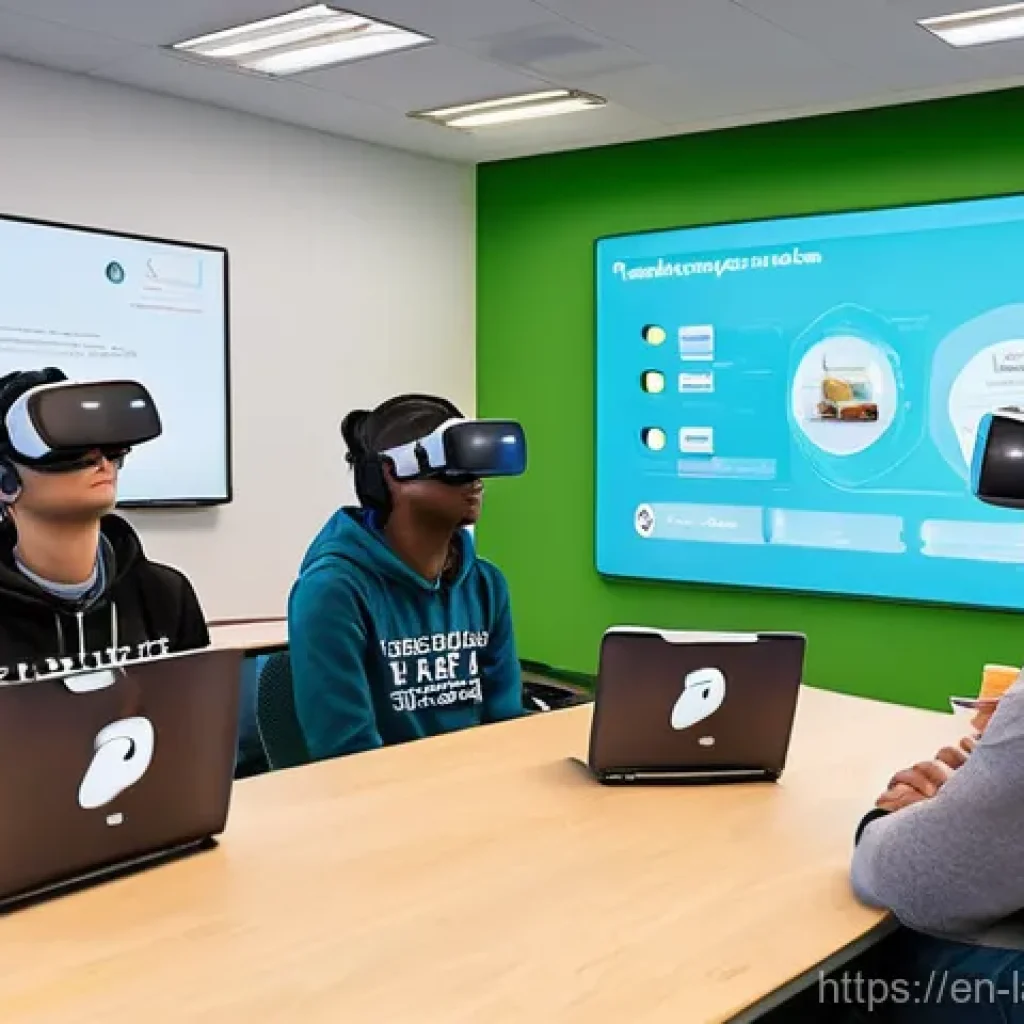
Now, this is where things get really exciting for me! Virtual Reality (VR) used to feel like science fiction, but it’s quickly becoming a powerful tool for creating truly immersive language experiences. Think about it: instead of just *talking* about ordering coffee in a French cafe, your students can *virtually experience* it. They can navigate the menu, interact with a virtual barista, and practice their pronunciation in a low-stakes, yet incredibly realistic, environment. I’ve been experimenting with some VR scenarios, and the level of engagement is through the roof. It taps into that experiential learning that we know is so effective, allowing students to use the language in contexts that feel authentic, even when they’re sitting in a classroom thousands of miles away. It breaks down barriers, both geographical and psychological, making the target language feel less like a school subject and more like a living, breathing part of the world they can step into. This kind of experiential learning goes beyond rote memorization; it builds confidence and cultural understanding in a deeply impactful way.
Beyond Grammar: Cultivating Intercultural Fluency
Let’s be honest: for a long time, language education was primarily about conjugating verbs and memorizing vocabulary lists. And while those things are still important (you can’t build a house without bricks!), the modern world demands so much more. Our students aren’t just learning to speak a language; they’re learning to navigate cultures, understand different perspectives, and communicate effectively with people from all walks of life. I’ve realized that true fluency isn’t just about sounding native; it’s about *understanding* native. It’s about being able to pick up on social cues, appreciate humor, and respectfully engage in conversations even when cultural norms differ. This shift has profoundly changed how I approach my lessons. We’re moving beyond textbook dialogues and into exploring real-world scenarios, challenging stereotypes, and encouraging empathy. It’s about equipping our students to be global citizens, not just proficient speakers. This often means stepping outside our own comfort zones as educators, too, and continuously broadening our own intercultural understanding.
Teaching Cultural Nuances, Not Just Vocabulary
When I teach English, I often hear my students say things that are grammatically correct but culturally a bit… off. That’s because language is deeply intertwined with culture, and you can’t truly separate the two. It’s not enough to teach them the word “thank you”; we need to explore when to say it, how to say it, and what non-verbal cues often accompany it in different English-speaking contexts. This means bringing authentic materials into the classroom – not just dry articles, but films, music, social media clips, and even personal anecdotes. I’ve found that sharing my own experiences with cultural misunderstandings (and how I learned from them!) often opens up a wonderful discussion with my students. We talk about everything from politeness strategies to humor and even how emotions are expressed differently. This approach transforms language learning from a purely academic exercise into a vibrant exploration of human connection. It’s about fostering curiosity and respect, not just comprehension.
Global Citizenship in the Language Classroom
In our increasingly interconnected world, teaching a language is inherently an act of fostering global citizenship. Our students are going to interact with people from diverse backgrounds, whether it’s through online gaming, international travel, or future careers. My goal isn’t just for them to speak English; it’s for them to use English as a bridge to understanding and collaborating with the wider world. This means incorporating topics of global significance – environmental issues, human rights, cultural celebrations – and encouraging students to discuss them from multiple perspectives. We might have virtual exchanges with classrooms in other countries, or engage in project-based learning that addresses a global challenge. I believe that by doing this, we’re not just teaching them a language, but we’re also nurturing their ability to be empathetic, critically thinking individuals who can contribute positively to a global society. It’s a powerful and incredibly rewarding aspect of modern language education.
The Art of Adaptation: Flexible Methodologies for Diverse Learners
If there’s one thing I’ve learned over the years, it’s that no two students, or even two classes, are ever exactly alike. What works brilliantly for one group might completely fall flat with another. This is why the ability to adapt, to pivot, and to genuinely differentiate our instruction is absolutely paramount in language teaching today. Gone are the days of a one-size-fits-all curriculum where every student marches through the same material at the same pace. Today’s educators need to be like master chefs, constantly tasting, adjusting, and tailoring the recipe to suit the palates of their diners. It’s not about abandoning tried-and-true methods, but rather knowing *when* and *how* to apply them, and critically, *when* to try something entirely new. I’ve felt the frustration of a lesson not landing, and it’s in those moments that our flexibility truly shines. It’s about being responsive to the energy in the room, to the puzzled looks, and to the bursts of understanding. This adaptability isn’t just a skill; it’s a mindset that prioritizes the learner above all else.
Personalizing Pathways: Differentiated Instruction in Practice
When I look out at my classroom, I see a spectrum of learners: some who grasp grammar concepts almost instantly, others who thrive on auditory input, and still others who need to physically *do* something to remember it. Differentiated instruction isn’t just a buzzword; it’s a practical necessity. For me, it means having multiple entry points into a topic, offering choice in how students demonstrate their understanding, and providing scaffolding where needed without holding back those who are ready to soar. This could look like offering a choice of reading materials at different complexity levels, allowing students to create a presentation or write a short story to demonstrate their learning, or even simply providing different types of practice exercises. I often set up learning stations or offer “menu” activities where students can choose tasks that best fit their learning style or current level. It’s more work upfront, absolutely, but the payoff in terms of student engagement and meaningful learning is phenomenal. When students feel seen and understood in their learning journey, they become so much more invested.
Responsive Teaching: Pivoting for Student Needs
There’s a beautiful chaos to a truly responsive classroom. It’s about listening intently, observing keenly, and being brave enough to scrap your meticulously planned lesson if the situation calls for it. I can’t tell you how many times I’ve walked into a class with a perfect lesson plan, only to realize within the first five minutes that the students are either completely lost, incredibly bored, or suddenly obsessed with a related but unplanned topic. A responsive teacher doesn’t force the plan; they adapt. This might mean pausing to re-explain a concept in a completely different way, allowing an impromptu discussion to unfold, or even shifting gears entirely to address an immediate learning need. It requires a deep understanding of your students, their strengths, and their struggles. It also requires confidence in your own expertise to think on your feet. For me, it’s about having a clear learning objective, but being flexible about the path we take to get there. It makes every day an adventure, and honestly, makes teaching so much more invigorating.
Lifelong Learning for Language Educators: Staying Ahead of the Curve
If you think that once you get your teaching degree, your learning journey is over, think again! The world of language education is a constantly evolving landscape. New research emerges, new technologies are developed, and our students’ needs and expectations shift with each passing year. For us language educators, staying relevant isn’t just about professional compliance; it’s about genuine passion and a commitment to providing the best possible experience for our learners. I’ve always believed that the moment we stop learning is the moment we start falling behind. It’s an investment in ourselves, yes, but ultimately, it’s an investment in the success of every student who walks through our (physical or virtual) classroom doors. From attending conferences to engaging in online courses, or even just swapping ideas with colleagues during lunch, every bit of continuous learning adds another layer to our teaching prowess. It keeps our methods fresh, our perspectives broad, and our passion for the craft burning bright.
Professional Development: More Than Just Workshops
When we talk about professional development (PD), sometimes our minds jump straight to mandatory workshops that feel a bit, well, dry. But true professional development for language educators is so much more than that! It’s about seeking out opportunities that genuinely excite you and challenge you to grow. For me, that’s meant attending international conferences to hear from leading experts, enrolling in specialized online courses on topics like gamification or AI in education, or even taking an intensive language immersion course myself to remember what it feels like to be a beginner. It’s about active engagement, not passive reception. I’ve found that the most impactful PD experiences are those that allow for hands-on application, reflection, and ongoing support. It’s not just about learning a new technique; it’s about integrating it into your practice, refining it, and seeing the real-world impact in your classroom.
Peer Collaboration and Mentorship: Growing Together
You know, teaching can sometimes feel like a solitary endeavor, especially when you’re troubleshooting a tricky lesson or trying to understand a new piece of tech. That’s why I’m such a huge advocate for peer collaboration and mentorship! Sharing ideas, resources, and even frustrations with fellow educators is incredibly valuable. I’ve learned some of my most effective strategies from just chatting with a colleague about how they handled a particular classroom challenge. Whether it’s formal mentorship programs for new teachers or informal coffee breaks where we brainstorm solutions, these connections are vital for growth. It’s also a fantastic way to stay accountable and inspired. When you have a network of peers who are also passionate about innovating, it creates a powerful ripple effect. We push each other, support each other, and ultimately, elevate the entire teaching community. It’s a reminder that we’re all in this together, learning and growing side-by-side.
Fostering Student Agency: Empowering the Next Generation
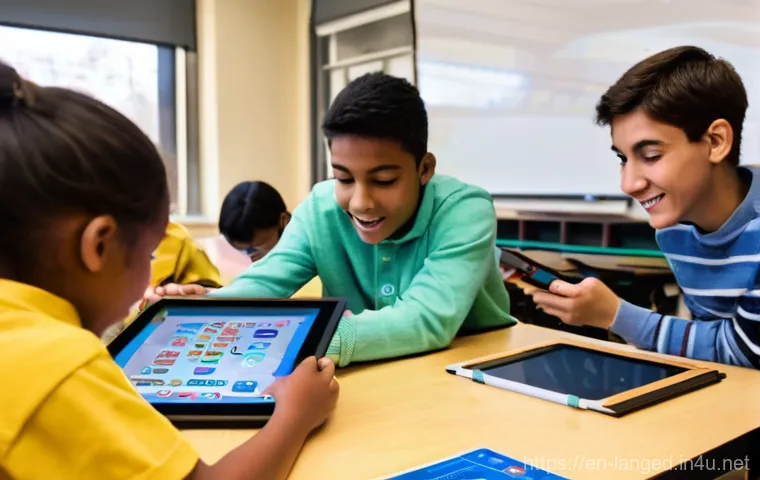
As language educators, our ultimate goal isn’t just to impart knowledge; it’s to empower our students to become independent, confident language learners who can take ownership of their own journey. This concept of “student agency” has become a guiding principle in my classroom. It means giving students more than just a seat at the table; it means giving them a voice in what they learn, how they learn it, and how they demonstrate their understanding. When students feel like active participants rather than passive recipients, their motivation skyrockets. I’ve seen a dramatic shift in engagement when I move from dictating every step to creating opportunities for choice and self-direction. It’s about cultivating that intrinsic desire to learn, rather than relying solely on external motivators. This involves a delicate balance of providing structure and support while also stepping back and trusting our students to explore and discover on their own terms. It’s a journey of gradual release, where we slowly hand over the reins, preparing them for a lifetime of independent language acquisition.
Giving Students a Voice: Choice and Autonomy in Learning
Think about it: who enjoys being told exactly what to do, hour after hour? Not many of us! Our students are no different. That’s why incorporating choice and fostering autonomy are so crucial. This doesn’t mean letting chaos reign; it means offering structured choices that empower students within a clear framework. For example, instead of assigning one specific topic for a presentation, I might offer a list of culturally relevant themes they can choose from, or even let them propose their own. Or, when practicing vocabulary, I might give them options: use flashcards, create a Kahoot quiz, or write a short story incorporating the new words. When students have a say, they invest more deeply. I’ve noticed a remarkable improvement in the quality of work and the enthusiasm for learning when students feel like their input matters. It transforms the classroom dynamic from teacher-centered to truly learner-centered, where their voices are heard and valued.
Project-Based Learning: Real-World Language Use
One of the most effective ways I’ve found to foster student agency and make language learning incredibly relevant is through project-based learning (PBL). Instead of isolated grammar drills, students engage in long-term projects that require them to use the language authentically to solve a problem, create a product, or present information. For instance, my students once worked in groups to design a tourist brochure for a city in an English-speaking country, requiring them to research culture, geography, and use persuasive language. Another time, they created short podcasts interviewing each other about their hobbies and future aspirations. These projects demand communication, collaboration, and critical thinking – all in the target language. The beauty of PBL is that it provides a clear, real-world purpose for language use, making the learning deeply meaningful. Students aren’t just memorizing facts; they’re *doing* things with the language, which is where true fluency begins to blossom.
Crafting Engaging Classrooms: From Pedagogy to Practice
Let’s be honest, we’ve all been in classrooms where the clock seems to drag, and the material feels dry. As language educators, our challenge and privilege is to ensure our classrooms are vibrant, dynamic spaces where students are not just learning, but genuinely *enjoying* the process. This isn’t about being an entertainer, but about skillfully weaving together sound pedagogical principles with creative, interactive practices that captivate our learners. It’s about moving beyond the textbook and bringing the language to life in ways that resonate with our students’ interests and learning styles. I’ve found that when students are engaged, when they’re having fun, they absorb so much more, and the learning sticks. It’s a delicate dance between maintaining academic rigor and fostering a joyful, encouraging environment where mistakes are seen as stepping stones, not roadblocks. It means constantly reflecting on our practices and asking ourselves: “Is this truly engaging my students? Am I sparking their curiosity?”
Gamification and Interactive Activities: Making Learning Fun
Who doesn’t love a good game? Gamification in the language classroom isn’t just about playing trivial pursuit; it’s about leveraging game-like elements to boost motivation, engagement, and retention. I’ve used everything from digital escape rooms that require language clues to solve puzzles, to competitive team challenges that practice specific grammar points. The beauty of gamification is that it often provides immediate feedback, encourages friendly competition, and creates a low-pressure environment for taking risks with the language. It transforms potentially dull drills into exciting challenges. For instance, instead of just repeating vocabulary words, students might compete to be the first to identify an image or describe an object using only new vocabulary. I’ve seen students who are typically shy come alive during these activities, eager to participate and contribute to their team’s success. It taps into our natural desire for achievement and fun, making learning feel less like work and more like play – which, let’s face it, is a huge win for everyone!
The Power of Storytelling: Connecting Through Narrative
Humans are wired for stories. From ancient myths to modern movies, narratives captivate us, teach us, and connect us. In the language classroom, storytelling is an incredibly powerful tool. It’s not just about reading stories; it’s about *creating* them, *sharing* them, and *experiencing* them. I often use storytelling activities where students co-create narratives, building on each other’s sentences, or where they recount personal experiences using target vocabulary and grammar. This approach makes language meaningful and memorable. It allows students to express their creativity, their feelings, and their unique perspectives, all while practicing essential language skills in a holistic way. When students hear or tell a compelling story, the language becomes a vehicle for connection and emotion, far more impactful than isolated sentences. It’s a deeply human way to engage with a new language, fostering not just linguistic competence but also a strong sense of community within the classroom.
Measuring Success: Beyond Standardized Tests
When it comes to assessing language proficiency, our traditional ideas have often leaned heavily on standardized tests, multiple-choice questions, and grammar quizzes. And while these have their place, they often don’t tell the whole story of a student’s true communicative competence or their ability to navigate real-world language situations. As educators, we need to broaden our perspective on what “success” looks like in language learning. It’s not just about a score on a test; it’s about confidence in conversation, the ability to express complex ideas, and the cultural understanding that makes communication truly effective. I’ve realized that the most meaningful assessment strategies are those that mirror authentic language use, allowing students to demonstrate what they can *do* with the language, not just what they *know* about it. It’s a shift from simply grading to truly guiding, providing feedback that helps learners grow and improve their practical skills.
Authentic Assessment: Reflecting Real-World Competence
In my experience, students learn best when they see the direct relevance of what they’re doing. That’s precisely what authentic assessment aims to achieve. Instead of a fill-in-the-blanks grammar test, an authentic assessment might involve students participating in a simulated job interview in English, giving a presentation on a topic they’re passionate about, or writing a persuasive email to a company. These tasks require them to integrate various language skills – listening, speaking, reading, and writing – in a meaningful context. It’s about creating tasks that mimic real-world language challenges, allowing students to demonstrate their ability to communicate effectively, even with errors, rather than just their perfect recall of rules. I often use rubrics for these types of assessments, focusing on criteria like clarity, coherence, and communicative effectiveness, rather than just grammatical accuracy. This approach provides a much richer picture of a student’s true language proficiency and their readiness for real-world interactions.
Formative Feedback: Guiding Growth, Not Just Grading
Think about when you’re learning a new skill. What helps you improve more: just getting a final score, or receiving specific, actionable advice throughout the process? For me, it’s always the latter! That’s why formative feedback is so incredibly powerful in language education. It’s not just about slapping a grade on an assignment; it’s about providing ongoing, constructive guidance that helps students understand where they are, where they need to go, and how to get there. This can come in many forms: peer feedback where students evaluate each other’s work, self-correction exercises, quick check-ins during group work, or detailed comments on drafts of written assignments. The goal is to make learning a continuous cycle of practice, feedback, and refinement. I make a conscious effort to frame feedback as a tool for growth, celebrating effort and progress rather than just highlighting mistakes. This approach fosters a growth mindset, encouraging students to take risks and see errors as valuable learning opportunities.
| Aspect of Education | Traditional Pedagogy | Modern Language Pedagogy |
|---|---|---|
| Primary Focus | Grammar, rules, rote memorization | Communicative competence, cultural understanding, real-world application |
| Teacher’s Role | Dispenser of knowledge, authority figure | Facilitator, guide, co-learner, mentor |
| Student’s Role | Passive receiver of information | Active participant, co-creator of learning, agent of their own growth |
| Technology Use | Limited, supplemental (e.g., audio CDs) | Integrated, transformative (e.g., AI, VR, collaborative platforms) |
| Assessment Methods | Standardized tests, grammar quizzes, translation | Authentic tasks, project-based, performance-based, ongoing formative feedback |
| Classroom Environment | Teacher-centered, individual work | Learner-centered, collaborative, interactive, communicative |
Wrapping Things Up
Whew! We’ve covered a lot today, haven’t we? Looking back at my own journey, from those humble overhead projector days to now exploring virtual realities with my students, it’s clear that language education is an ever-evolving adventure. The core, though, remains the same: it’s all about connecting, empowering, and inspiring our learners. Every new tool, every fresh approach, every shared story isn’t just a trend; it’s another way to make language learning a truly transformative experience for the young minds we guide. And honestly, isn’t that why we all got into this beautiful profession in the first place? To light up those ‘aha!’ moments and equip our students not just with words, but with a voice and a worldview. I really hope some of my experiences and insights here spark new ideas for you, too!
Useful Information to Know
1. Keep an eye on emerging AI tools for language learning; they’re becoming incredibly sophisticated and can personalize practice in ways we couldn’t have imagined a few years ago. Many are free or offer trial periods, so you can test them out in your classroom without a big commitment. It’s a game-changer for differentiation and providing immediate feedback to students.
2. Prioritize intercultural communication over strict grammatical perfection. Our students are global citizens, and understanding nuances, cultural context, and polite communication strategies is often more vital for real-world interactions than flawless verb conjugation. I’ve seen firsthand how a little cultural sensitivity goes a long way.
3. Embrace flexible teaching methodologies. What works for one group might not for another. Being ready to adapt your lesson plan, pivot based on student engagement, or offer varied activities means you’re truly responding to the learners in front of you, making every lesson more impactful. It keeps you on your toes, but it’s so rewarding.
4. Never stop being a learner yourself! The field of education is dynamic, and staying current with new research, pedagogies, and tech isn’t just professional development; it’s a vital part of staying energized and effective in the classroom. Attend a webinar, read a new book, or just chat with a colleague about what’s working for them.
5. Foster student agency by giving them choices and opportunities for self-direction. When students feel ownership over their learning, their motivation and retention skyrocket. Whether it’s choosing a project topic or deciding how to demonstrate understanding, empowering them makes a huge difference. I’ve been amazed by the creativity this unleashes.
Key Takeaways
To truly thrive in modern language education, we need to continuously evolve. This means moving beyond traditional methods and embracing technology like AI and VR to create immersive, personalized learning experiences. It’s crucial to cultivate not just linguistic fluency, but also intercultural competence, preparing students to navigate a diverse global landscape. Our teaching methodologies must be adaptable, allowing for differentiated instruction and responsive adjustments to meet the unique needs of every learner. Moreover, educators must commit to lifelong learning and peer collaboration, constantly refining their craft and staying abreast of new developments. Ultimately, fostering student agency – empowering learners to take ownership of their journey through choice and authentic project-based learning – is paramount. Finally, engaging classrooms that integrate gamification and storytelling, alongside authentic assessment and formative feedback, ensure that we’re not just measuring knowledge, but genuinely nurturing communicative competence and a lifelong love for language.
Frequently Asked Questions (FAQ) 📖
Q: In such a fast-evolving world, why is it so vital for language educators to keep their skills sharp and continuously adapt their teaching methods?
A: Oh, this is a question I get all the time, and it truly hits at the heart of what we do! From my vantage point, seeing how quickly our world is changing, it’s not just “important” for language teachers to keep learning; it’s absolutely non-negotiable.
Think about it: our students are growing up in a digital-first environment. They’ve got the internet at their fingertips, exposing them to countless cultures, languages, and new ways of communicating every single day.
If we, as educators, are still teaching primarily from textbooks in the same way we did even five or ten years ago, we’re not just falling behind; we’re doing our students a disservice.
I’ve personally observed that the most engaged students are in classrooms where their teachers are bringing in fresh, relevant content, leveraging tools like AI for personalized practice, or even incorporating virtual reality for immersive cultural experiences.
It’s about meeting them where they are and showing them how language connects directly to their world. Plus, the demands for global communication are higher than ever, and our teaching needs to reflect that, moving beyond rote memorization to genuine, intercultural fluency.
Q: What are some concrete, practical steps language educators can take to effectively update their skills and embrace these new methodologies and technologies?
A: Great question! It’s one thing to know you should update, and another to know how. From my own journey and what I’ve seen work wonders for others, the first step is always to cultivate a “learner’s mindset” for yourself.
We’re asking our students to learn, so we should too! Practically speaking, I’d suggest diving into online professional development courses—there are so many fantastic, accessible options out there, often free or low-cost, covering everything from integrating AI chatbots for conversation practice to project-based language learning.
Attending virtual or local workshops and conferences, even if it’s just one or two a year, can expose you to groundbreaking ideas and connect you with a vibrant community of fellow innovators.
Don’t be afraid to experiment with new tech in your classroom; start small, maybe with a new app for vocabulary, and then build from there. I’ve found that even a simple tool can totally transform a lesson.
Engaging with professional communities online, like Twitter chats or specific educator forums, can also provide an incredible source of immediate, real-world tips and peer support.
Remember, it’s not about mastering everything overnight, but about consistent, curious exploration.
Q: How does a language teacher’s continuous professional development directly impact student success and the overall learning environment?
A: This is where the rubber truly meets the road, isn’t it? When a language teacher commits to continuous learning and growth, the ripple effect on their students and the classroom atmosphere is just incredible.
I’ve seen it firsthand: teachers who are excited about new methodologies bring that energy into their lessons. This translates into more dynamic, engaging, and relevant learning experiences for students.
When teachers understand how to use the latest tools, like adaptive learning platforms or AI-driven feedback, they can provide more personalized instruction, addressing individual student needs more effectively.
This isn’t just about making learning “fun”; it’s about making it effective. Students gain a deeper understanding of language in a real-world context, developing not just grammatical accuracy but also genuine communicative competence and intercultural understanding.
Essentially, a teacher who is continuously learning is better equipped to inspire curiosity, build confidence, and prepare students not just for tests, but for navigating a truly globalized world.
It fosters an environment where everyone, teacher and student alike, feels like they’re part of an exciting, evolving journey.